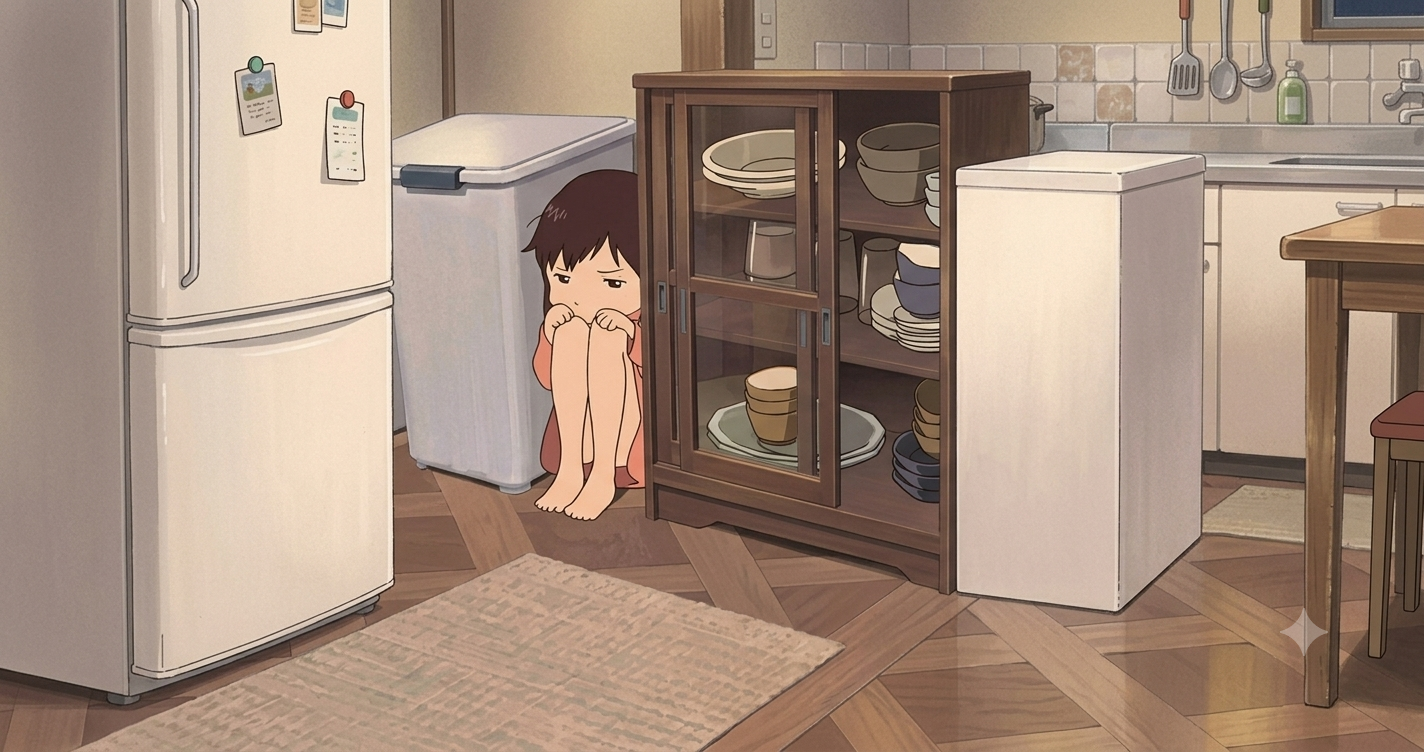
Do Not Let Relatives Bully Your Children: This sentence may seem odd to you. Yes, if you want to protect your children from psychological and mental pressure, do not allow your relatives to trouble your children in any way. Why have I written "relatives" specifically? Because it is often relatives who can say such things to your children in front of you: they may comment on your children's appearance, their habits, or their affairs, criticize them inappropriately, or, whether seriously or in jest, ask such crude questions that hearing them may not sit well with you either. But you stay silent because if you stop them from speaking that way, your relationship may be put at risk. Your child cannot respond to such a situation, but you should show good sense and protect them from this pain.
The Well Wisher Who Is Not One
If someone criticizes your child over their face, their hair, their complexion, their body parts, or in any respect over their habits or their clothing, or tries to instruct the child, it is possible that in their own mind they are teaching, but their manner may be sarcastic, or contempt or scolding may be present in it. Then it seems to you that an elder member of the family is doing all this with your child as a well wisher. And let us accept that you too may feel this method is not right. But in order to keep your relationship intact, you try to tolerate that remark from an elder or from some female relative, and you assume that our child is "a small child who will forget this matter or this scolding tomorrow."
Children Do Not Forget
That is not so at all. Children never forget such things. They cannot express it. They bottle up their feelings, and bottled-up feelings never die. They are buried while still alive, and for the whole of life afterwards, inferiority complexes and troubling behaviours emerge in these children in various forms.
So never allow relatives to distort your children's childhood, innocence and happiness, and whenever your children remember their childhood, let them remember it with beautiful feelings and behaviours. This thing wounds your children's self confidence and creates psychological problems for them, which will harm them in the future.
Interrupt the Moment, Even If It Costs You
If at such a moment you stop your relative right there, it is possible that relative may stay angry with you for a few days, weeks, months or a whole year, but this is nothing compared to your child's psychological safety, which is their basic right, that they should not feel themselves lesser or hate any part of their body or personality. So on any such occasion, strictly forbid relatives. Do not let anyone cross limits with your children, whether it is in jest or in seriousness, in speech or in action. In every case keep this behaviour unacceptable.
The Names and the Comments
It is often close relatives who take this liberty and call your children by some inappropriate name because of their build or colour, such as "fatso" or "skinny." Children are also told, "This one is very sly." What an inappropriate word this is. It is difficult for children even to work out that you are calling a child a cheat of a kind. Such words or jokes about children should be strictly stopped, especially anything that is unpleasant or painful for the child.
Those who do all this, whether your sister, your brother, your paternal aunt, your maternal aunt or uncle, however dear any of them may be, should be strictly stopped from commenting on or ridiculing children's physical build or saying things such as: "Why can your child not run like that?" "Why is his colour like this?" "His height is less for his age." "Why does he study like this?" "Why does he eat like this?" "He cannot speak properly," and so on.
In reality, all these negative remarks affect children and stay in their minds, and at that age, their minds believe them.
One Hundred Good Sentences
All such bad words or sentences take over children's minds, and they come to the surface in the form of different problems. Children's self-confidence is affected, and it takes them time to get out of these problems. To remove the effect of every such bad word or critical and mocking sentence, a painful stage may have to be faced. To get free of one such sentence mentally, they may need 100 good sentences.
You should neither compare your children with other children yourself, nor let anyone else compare them, however close a relative of yours they may be, because every child has their own personality traits, which differ from one child to another. This very comparison is the first thing that destroys a child's personality and weakens their self-confidence.
The final point is this: stop such bullying of your children through actions, behaviours and sentences. Because this is your responsibility. And as a relative yourself, think a hundred times before speaking about someone else's children. Think about what effect your words will have on that child.